Bio-secure grownNo hitchhikers. Just plants.Pet-safe optionsFor your weird pets.Judgmental plantsFor people you tolerate.Rooted in rebellionPlants. Personality. Zero apologies.Plants for people you tolerateBecause flowers are too polite.Meet Black Moth
Rooted in rebellion.
Know your plant. Grow your rebellion.
Plant care
Keep your misfits thriving.
Find care by plant species and variety. From begonias to pothos, get practical guidance for light, watering and healthy indoor growth.
Explore care guides by species and variety, or filter by plant group.
6 care guides
No matching plants. Try another species or variety, or reset the filters.
Plant species and variety care guides
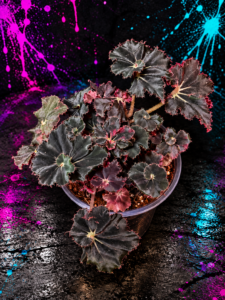
Rex Begonia ‘Black Mamba’
Begonia rex cultivar
Moist roots. Dry leaves. Dark drama.
Light
Bright, filtered light. Shield the foliage from strong direct sun.
Water
Keep the mix lightly moist during growth, with good drainage. In slower winter growth, let the surface dry before watering. Keep water off the leaves and crown.
Full care instructions
Potting mix
Use a well-draining houseplant mix in a pot with drainage holes. Empty collected water after watering.
Temperature & humidity
Keep above 55°F (13°C). Provide humid air with ventilation; avoid misting the foliage.
Feeding
During active spring and summer growth, use a nitrogen-rich fertilizer at the label’s rate and frequency.
Propagation
Use leaf cuttings or divide a healthy rhizome with growing points. A single detached petiole is not the same as a prepared leaf cutting.
Watch for
Crisp edges may signal dry air; yellowing or rotting leaves can have several causes. Check moisture, light and airflow before changing the routine.
Medium to bright indirect light, or suitable indoor grow lighting.
Water
Let the top several inches of mix dry before watering again. Avoid letting the entire root ball become completely dry, and never leave it sitting in water.
Full care instructions
Potting mix
Use a freely draining houseplant mix and a container with drainage holes.
Temperature & humidity
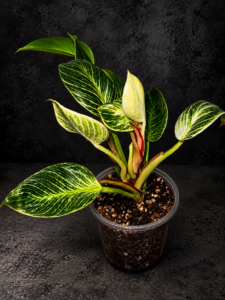
Keep in a warm indoor spot away from cold drafts. Average to above-average humidity suits Birkin; use a humidifier if the room is very dry.
Feeding
Feed during spring and summer if needed, using a houseplant fertilizer according to its label. Excess fertilizer can damage roots.
Routine care
Remove old or damaged leaves. Birkin is self-heading and does not need a climbing pole.
Watch for
Overwatering is a common problem. Some leaves may develop red patches or turn reddish-green; this can occur naturally in Birkin.
Bright, indirect light. Protect from strong direct sunlight.
Water
Keep the well-drained mix moist without soaking it. Avoid overwatering and do not mist the leaves.
Full care instructions
Potting mix
Use a well-draining mix containing organic matter, in a pot with drainage holes. Avoid leaving collected water around the roots.
Temperature & humidity
Provide a warm indoor environment with higher humidity and good air circulation. Keep away from cold drafts.
Routine care
Remove dead leaves and check the plant regularly. Better ventilation helps reduce fungal problems.
Propagation
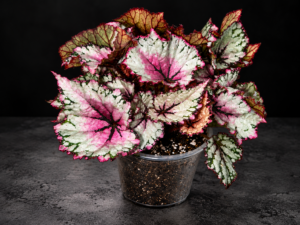
Rex begonias can be multiplied by leaf cuttings or rhizome division. Use healthy plant material and clean tools.
Watch for
Mealybugs, powdery mildew and grey mould. Roots may rot when the mix stays wet. Inspect the plant rather than assuming every yellow leaf needs more water.
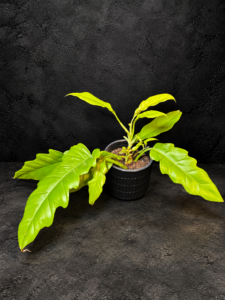
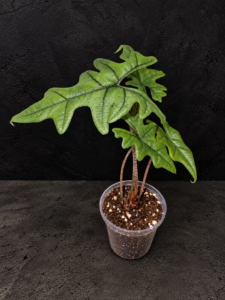
Bright, indirect light. Strong sun may scorch the leaves.
Water
During active growth, water when the top 2 inches (5 cm) of mix have dried. Let excess drain away. Reduce watering substantially if the plant becomes dormant.
Full care instructions
Potting mix
Use a freely draining houseplant mix. Repot crowded roots in spring into a pot only about 2 inches (5 cm) wider.
Temperature & humidity
Keep above 60°F (16°C) while growing, away from cold drafts. Medium to high humidity suits alocasias; a humidifier can help.
Feeding
Use liquid fertilizer during active growth at the label’s dose and frequency. Pause when growth stops.
Propagation
Separate rooted offsets in spring, or divide a healthy rhizome. An isolated leaf is not an offset.
Watch for
Dry air can brown leaf edges and favor spider mites. Dormancy may cause leaf loss; overwatering a resting plant risks root rot. Wear gloves when handling irritating sap.
These guides describe indoor care for the listed plant types. Young cuttings, recently repotted plants and different growing conditions may need adjustments. The links within each guide lead to horticultural references.
These begonias, philodendrons, alocasias and pothos are ornamental plants; keep them away from pets and children who may chew them. Sap can irritate skin.